Leave A Message
If you are interested in our products and want to know more details,please leave a message here,we will reply you as soon as we can.

Addressing the industry pain point of high reliance on imported core light sources in high-end manufacturing, GMY has partnered with downstream equipment manufacturers to conduct targeted R&D. Leveraging its technological expertise in photo-cleaning, photopolymerization, surface modification, fluid sterilization, and industrial waste gas treatment, GMY delivers cost-effective optical application solutions that meet the stringent process requirements of precision industries with stable radiation output.
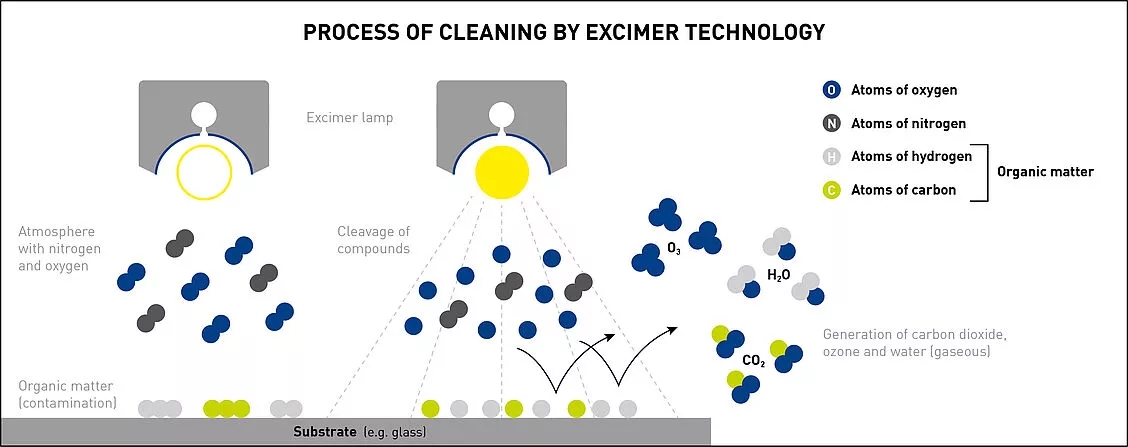
The high-energy quantum radiation of 172nm excimer ultraviolet light breaks down the molecular chains of organic pollutants on the material surface, while simultaneously stimulating bioactive oxygen and free radicals. This instantly oxidizes and degrades residual organic matter into gaseous CO₂ and H₂O, achieving contactless and chemical-trace-free ultra-clean surface treatment.
We offer cutting-edge solutions widely used in the following fields:
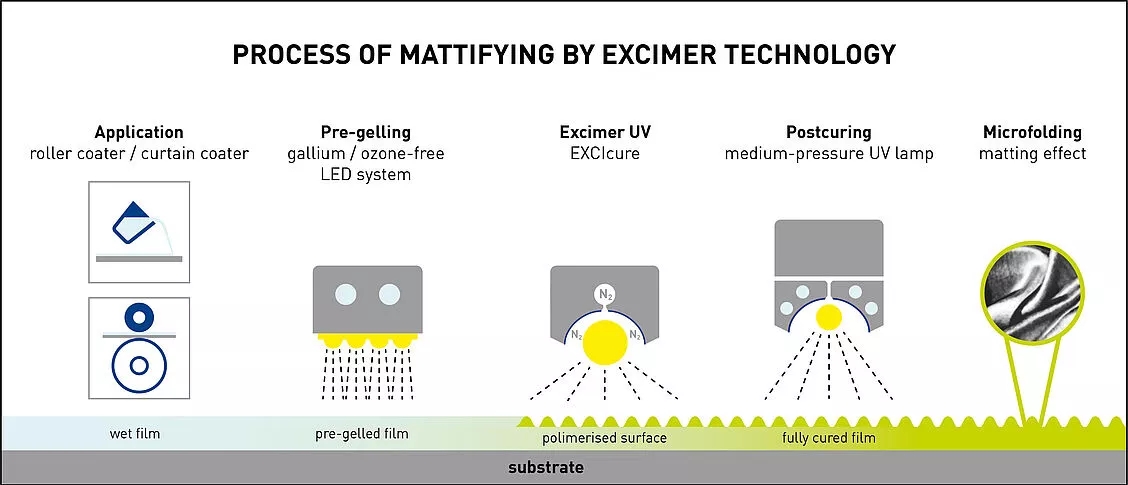
Utilizing 172nm excimer surface matting and curing technology, this process directly breaks polymer molecular bonds using a specific high-energy wavelength, initiating a high-speed cross-linking reaction between monomers and oligomers. Compared to traditional wide-band UV curing, this process precisely micro-reconstructs the leveled surface, achieving a uniform micro-folding matting effect in an extremely short time, significantly improving surface hardness and scratch resistance.
Suitable for the following fields:
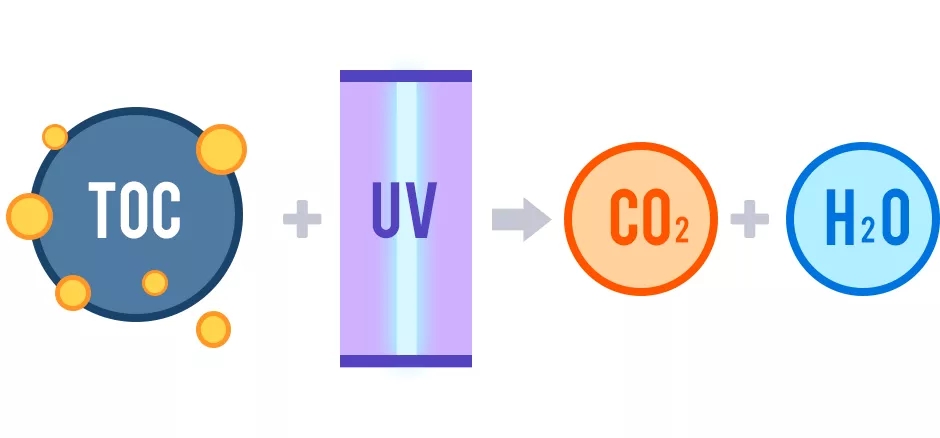
Combining 185nm UV light source and 172nm excimer lamp technology to trigger a powerful photochemical reaction within fluid pipelines. Photocatalytically splitting water molecules to generate highly reactive hydroxyl radicals completely oxidizes and decomposes residual total organic carbon (TOC) in water into CO₂ and H₂O. The 172nm excimer light source, with its higher photon energy, provides highly efficient TOC reduction for ultrapure water and ultra-high purity water (UPW) systems.
Surface energy enhancement:
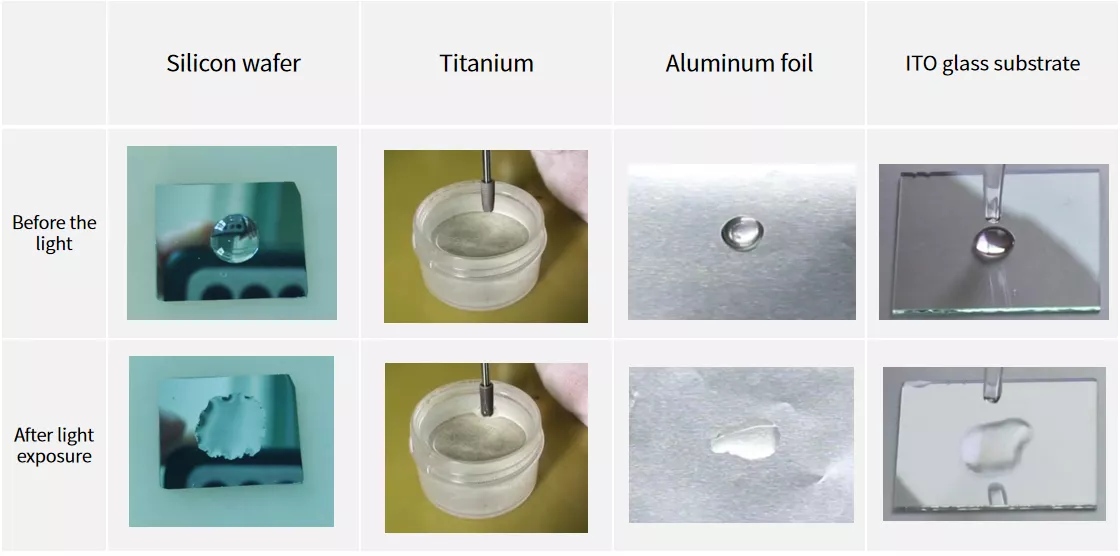
Through the radiative intervention of 172nm excimer light, hydrocarbon molecular chains on the surface of non-polar materials are efficiently broken. The photochemical reaction introduces a large number of polar hydrophilic groups such as hydroxyl (-OH) and carboxyl (-COOH) groups, significantly enhancing the surface free energy of the material. The treated substrate can achieve complete hydrophilic modification, with droplets instantly transforming from microspheres into a uniformly wetted liquid film on the surface.
Titanium, aluminum foil, etc.
Silicon wafers, ITO glass substrates.
PP, PC, PE, PMMA, PET, PVC, PS.
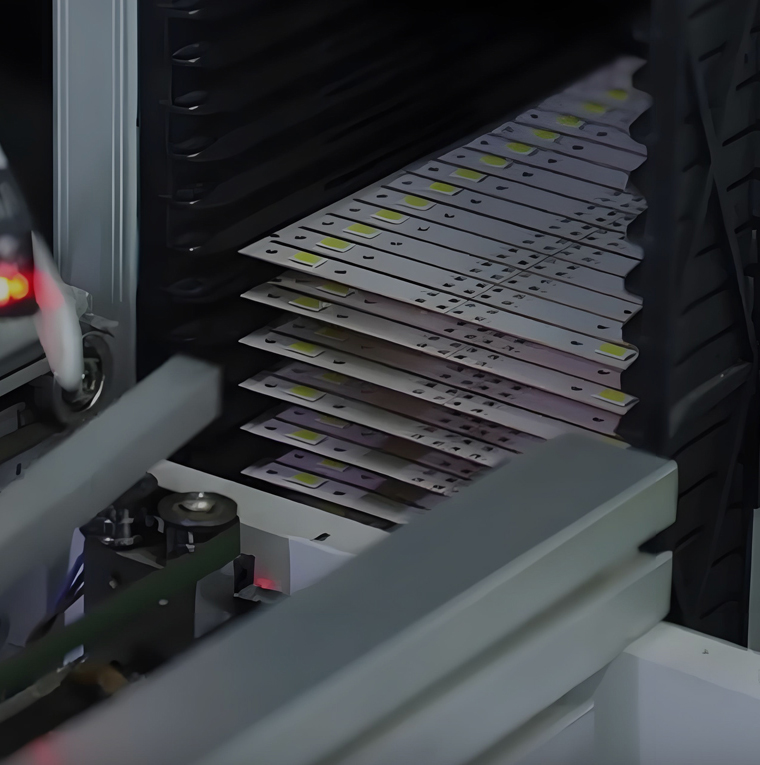
Watch our advanced 172nm excimer light source applications, precision quality inspection lines, and automatic production workflows in action.
Partner with GMY for robust 172nm excimer lamps and customizable photo-cleaning systems tailored to your industry standards.