


Can LED Grow Lamps Really Make Plants Thrive?

You want your plant to thrive indoors. You can achieve this with the right led grow lamp. When you use the correct light, you unlock healthy growth and vibrant leaves. Follow these tips to see real change. You hold the power to transform your indoor garden with led technology.
How LED Grow Lamps Help Plants Grow
Light Spectrum and Plant Health
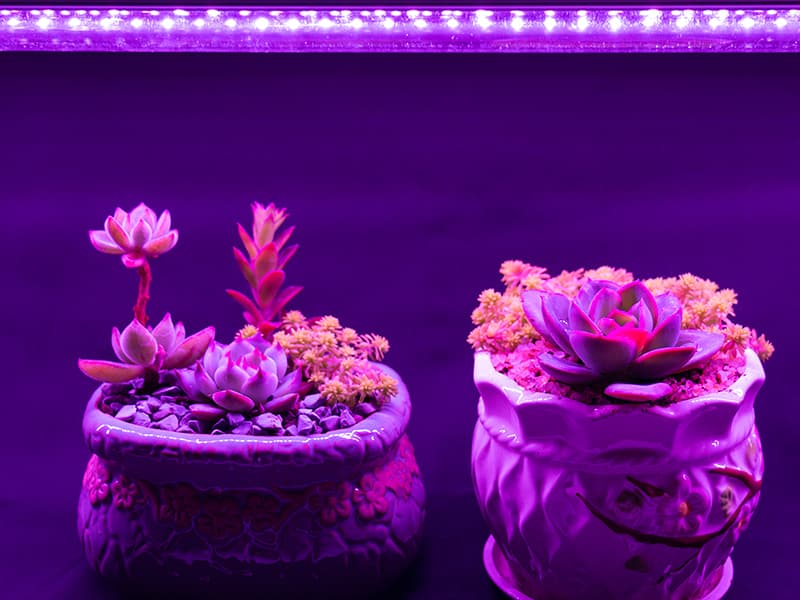
You want your plant to reach its full potential. The right spectrum makes all the difference. Red and blue wavelengths drive photosynthesis and boost plant growth. Red light encourages flowering and fruiting. Blue light supports strong roots and lush leaves. UV-A and far-red light also play a role. UV-A can help your plant produce protective compounds. Far-red light triggers growth responses and stretches stems. You get the best results when you use horticultural-specific led grow lamps. These lamps deliver a balanced spectrum tailored for plant growth. Generic led grow lights often lack the right wavelengths. You should choose a lamp that covers the full spectrum for maximum growth.
Tip: Always check the spectrum chart before you buy a led grow lamp. You want coverage across red, blue, UV-A, and far-red for healthy plant growth.
Energy Efficiency and Growth Benefits
You save money and support your plant when you use led grow lights. These lamps use less power and produce less heat. You can place them closer to your plant without risking damage. Lower heat means you control light intensity and growth without stressing your plant. Energy efficiency lets you run your lights longer and get more growth for less cost. You see faster growth and healthier leaves. You make your indoor garden thrive with the right led grow lamp.
LED Grow Lamp Tips for Maximum Growth
Choosing the Right Spectrum
You want your plant to receive the best possible light for healthy growth. Select a led grow lamp that offers full-spectrum lighting. This type of lamp covers all the wavelengths your plant needs for every stage of growth. Red and blue light drive photosynthesis and boost yield. UV-A and far-red light support unique growth responses and help your plant build resilience. When you choose a lamp with supplemental UV-A and far-red, you give your plant an edge in indoor gardening. Always check the spectrum chart before you buy. You want a lamp that matches your plant’s light requirements for healthy growth and maximum results.
Tip: Full-spectrum led grow lights support every phase of plant growth, from seedling to harvest.
Proper Placement and Distance
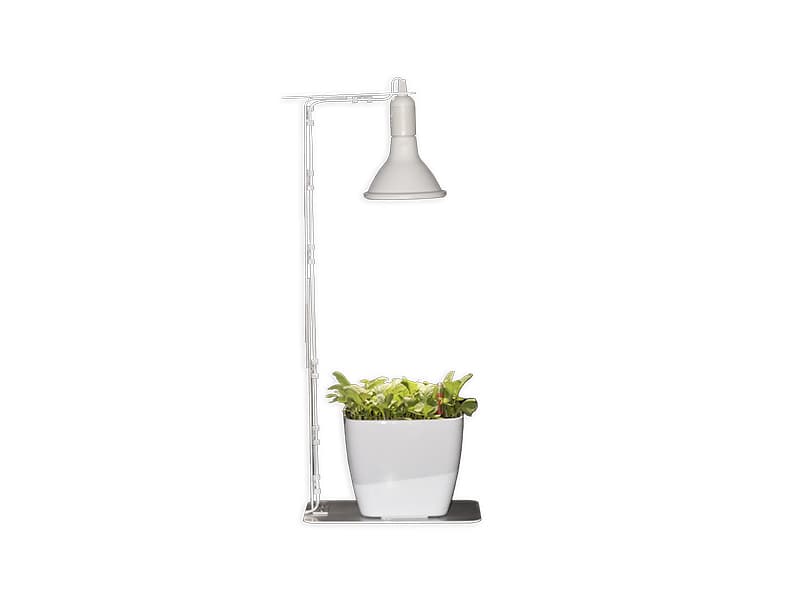
You must focus on correct installation for your led grow lamp. Place your lamp at the right height to ensure even light distribution. Too close, and you risk burning your plant. Too far, and your plant stretches for light and loses healthy growth. Use the manufacturer’s guidelines for light distance from source. Adjust the lamp as your plant grows. Optimising light placement ensures your plant receives the right light intensity for strong growth. Move your lamp as needed to maintain proper grow lamp installation and avoid plant health decline.
- Place the lamp 12-24 inches above seedlings.
- Raise the lamp as your plant matures.
- Watch for signs of too much or too little light.
Setting Light Schedules
You control growth by setting the right light schedules. Most plants need 12-16 hours of light each day for healthy growth. Use a timer to automate your led grow lights. This keeps your plant on a consistent schedule and prevents stress. Adjust the schedule for different stages of growth. Seedlings need more light. Flowering plants may need less. Consistent light schedules help your plant thrive and maximize yield.
Note: Light-sensitive plants respond best to regular schedules. Inconsistent lighting can slow growth and reduce results.
Using Dimming Features
You can fine-tune light intensity with dimming features. Not every plant needs the same amount of light at every stage. Lower the intensity for young seedlings. Increase it as your plant grows larger and stronger. Dimming helps you avoid light stress and supports healthy growth. Many modern led grow lamps include easy-to-use dimmers. Use this feature to match your plant’s light requirements and create the perfect growing environment.
Monitoring Temperature and Humidity
You must monitor the environment around your plant. Led grow lights produce less heat than traditional lamps, but temperature and humidity still matter. Keep your growing environment between 65-80°F for most plants. Maintain humidity between 40-60%. Use a thermometer and hygrometer to track these levels. Adjust fans or humidifiers as needed. Stable temperature and humidity support healthy growth and prevent plant health decline.
| Growth Stage | Temperature (°F) | Humidity (%) |
|---|---|---|
| Seedling | 70-75 | 60-70 |
| Vegetative | 70-80 | 50-60 |
| Flowering | 65-75 | 40-50 |
Watching Plant Response
You must observe your plant every day. Look for changes in leaf color, shape, and size. Pale leaves or stretching mean your plant needs more light. Burnt tips or curled leaves signal too much light intensity. Adjust your led grow lamp and environment based on what you see. Quick action prevents plant health decline and keeps growth on track. Your attention ensures your plant receives the best indoor plant lighting and thrives in your indoor gardening setup.
Tip: Keep a simple journal to track changes in growth, light schedules, and adjustments. This helps you spot patterns and improve your results.
By following these tips, you take control of your plant’s growth. You create the ideal environment for healthy growth, strong yield, and vibrant indoor gardening success. The role of grow lamps in your setup cannot be overstated. With correct installation and attention to detail, you unlock the full potential of your plant.
Common LED Grow Lamp Mistakes
Wrong Light Type or Spectrum
You want your plants to thrive, but choosing the wrong light can hold them back. Many people grab generic bulbs, thinking any light will work. You need a grow lamp that delivers the right spectrum. Plants demand specific wavelengths for photosynthesis and healthy growth. If you use a lamp that lacks red or blue light, your plants will struggle. Always check the spectrum chart before you buy. You should select a horticultural LED that matches your plant’s needs. This simple step ensures your plants receive the light they crave.
Tip: Avoid regular household bulbs. They do not provide the right light for indoor gardening success.
Incorrect Distance or Intensity
You must pay attention to how close your lamp sits above your plants. If you place the light too near, you risk burning leaves. If you hang it too far, your plants stretch and weaken. Adjust the distance as your plants grow. Use the manufacturer’s guidelines for best results. You can also use dimming features to control light intensity. Proper placement and intensity help your plants absorb the light they need without stress.
- Place the lamp at the recommended height.
- Watch for signs of light stress.
- Adjust intensity as your plants mature.
Ignoring Environment Control
You cannot ignore the environment around your plants. Even the best light will not help if temperature or humidity falls outside the ideal range. You should monitor your environment with a thermometer and hygrometer. Stable conditions support healthy growth. If you see wilting or slow growth, check your environment first. You create a thriving indoor garden when you balance light and environment.
Real Results with LED Grow Lamps
Success Stories
You want proof that led grow lights work. Many indoor gardeners share their success with these lights. For example, you can find stories of people who start with weak seedlings and end up with strong, healthy plants. One gardener used led grow lights to grow tomatoes indoors. The plants produced more fruit and showed faster growth than ever before. Another grower started with herbs. The plants stayed green and full, even during winter. You can achieve the same results. When you use the right light, you give your plant the energy it needs for rapid growth and vibrant leaves.
Note: Real people see real change when they use led grow lights for indoor gardening. You can join them and watch your plant thrive.
Research Evidence
You do not have to rely only on stories. Scientific research supports the benefits of led grow lights for plant growth. Studies show that plants exposed to the correct light spectrum grow faster and produce more leaves. Researchers found that lettuce grown under led lights had higher yields and better color. Another study showed that herbs and leafy greens respond well to full-spectrum light. You can trust the science. Led grow lights help your plant reach its full potential. You can use this technology to boost growth and enjoy indoor gardening success.
- Led grow lights support strong plant growth.
- Research proves that the right light makes a difference.
- You can use these findings to improve your own grow setup.
You can make your plants thrive with proper grow lamp installation and a healthy growing environment. Focus on the right spectrum, monitor photosynthesis, and adjust your setup. Improve your growing environment and perfect your grow lamp installation. Take action now. Transform your environment and enjoy vibrant indoor plants.