Leave A Message
If you are interested in our products and want to know more details,please leave a message here,we will reply you as soon as we can.

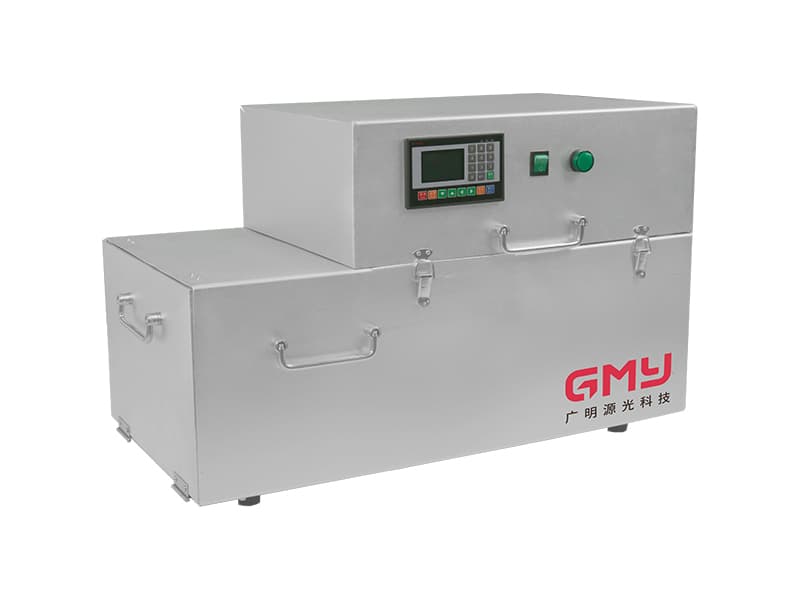
The 172nm Excimer UV Device delivers high-energy photo-cleaning and nano-level surface modification for semiconductors, batteries, and advanced materials. Utilizing cold 172nm UV photons, this compact system breaks organic chemical bonds and oxidizes contaminants without substrate damage. With a high uniformity of ±15% and operating temperatures under 40°C, it provides an eco-friendly, low-consumption alternative to traditional low-pressure mercury lamps.
Operating Temperature :
-5℃~50℃Intensity (Distance from the irradiation surface 8mm) :
>45 mW/cm2Nitrogen Input :
30LpmTotal Power :
<400WInput Voltage (V) :
AC220VThe EX-C300 is a benchtop 172nm Excimer UV system for high-energy photo-cleaning and nano-level surface modification. Designed for R&D and process qualification in semiconductor packaging, wafer fabrication, photomask/FMM maintenance, and advanced materials development, it delivers cold-photon organic contaminant removal without substrate damage, chemical consumption, or thermal impact.
172nm VUV photons deliver dual-action cleaning: they directly cleave organic chemical bonds (C=C, C-H, O-H) while generating reactive oxygen species (singlet oxygen, ozone). Contaminants oxidize into volatile byproducts and lift off cleanly, leaving an ultra-pure, high-hydrophilicity surface ready for bonding, coating, or deposition — all dry, chemical-free, and at room temperature.
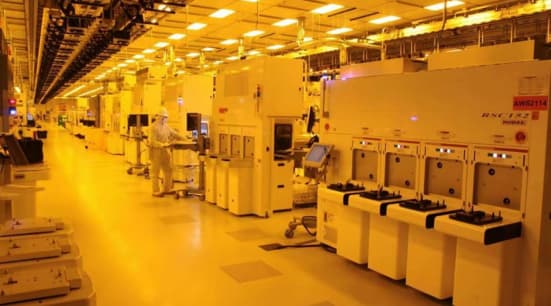
R&D teams use the EX-C300 to dial in optimal 172nm VUV parameters — dose, working distance, and cycle time — for activating die-attach, flip-chip, and hybrid bonding surfaces. The benchtop format delivers repeatable surface energy data, forming a validated bonding recipe before production handoff.
Researchers treat bare and patterned test wafers with 172nm VUV photons to establish cleanliness baselines prior to ALD, CVD, or PVD. Sub-40°C operation eliminates any thermal budget risk, while post-treatment XPS and contact angle data define the minimum effective dose for process qualification.

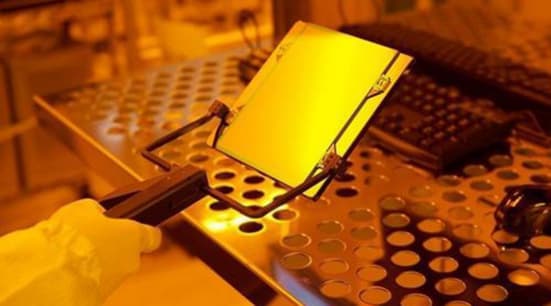
The EX-C300 removes organic fouling on fine metal masks and photomasks via purely photochemical oxidation — no contact, no chemicals, no residues. Iterative trials confirm that nanometer-scale mask features remain intact, defining safe cumulative dose and cycle limits for production adoption.
Film and battery R&D labs treat polymer films (PET, PI, COP) and electrode foils under controlled 172nm exposure, then measure contact angle reduction and adhesion gains. The cold-photon process avoids thermal damage to sensitive materials, and the resulting data directly feeds into inline production recipes — bench before fab.
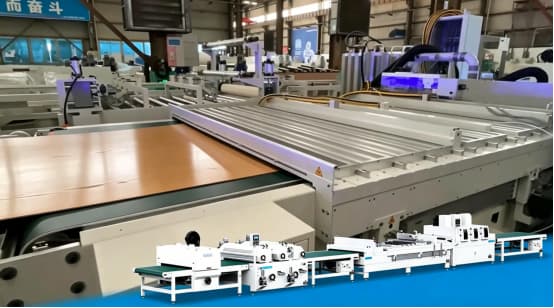
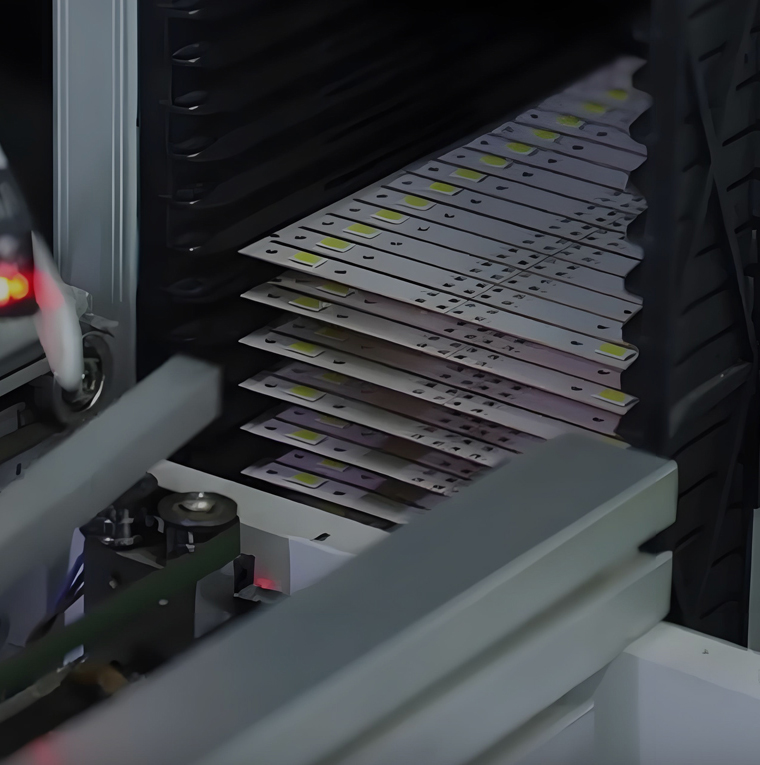
Delivers 10 times the cleaning speed of traditional low-pressure mercury lamps, vastly accelerating inline or batch processing cycles.
Allows individual switching of each lamp module depending on processing widths, maximizing energy balance and extending total lamp service life.
Prevents thermal damage on heat-sensitive materials, maintaining a stable substrate surface temperature strictly not exceeding 40℃.
Highly eco-friendly architecture that consumes 65% less energy than standard mercury lamp configurations without losing light intensity.
Features a highly compact power supply unit, effortlessly supporting the entire treatment system within space-restricted automated production lines.
Engineered for effortless routine cleaning and maintenance, enabling operators to perform quick lamp exchange to prevent operational downtime.
Guarantees an irradiance uniformity of ±15% across the designated irradiation area, significantly increasing batch processing stability.
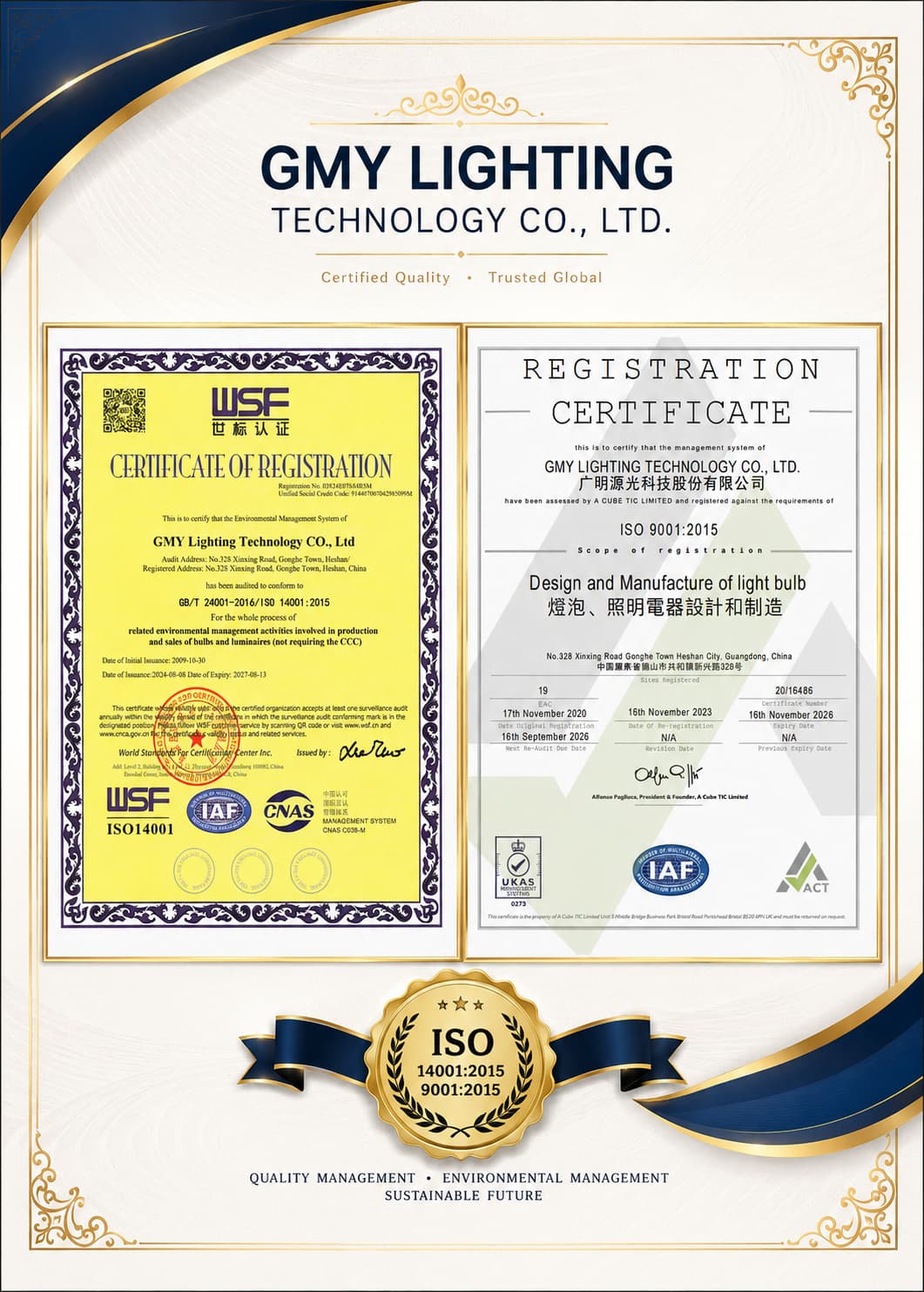
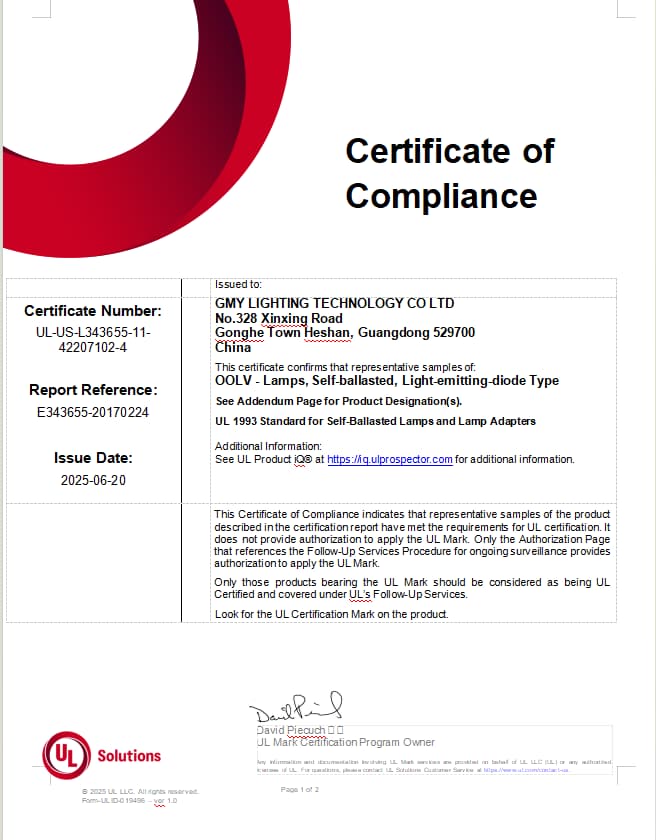
Certified quality and environmental management systems ensuring uniform production calibration.
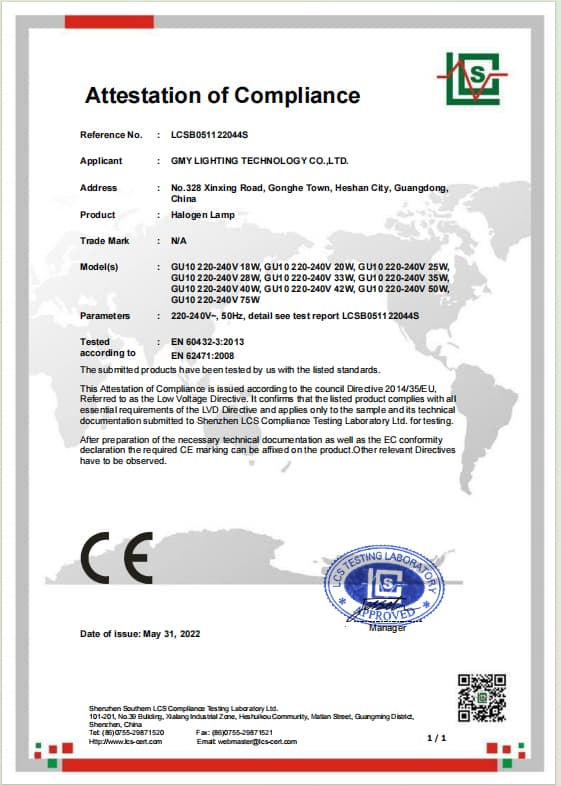
Fully compliant with European occupational health, system safety, and protection standards.
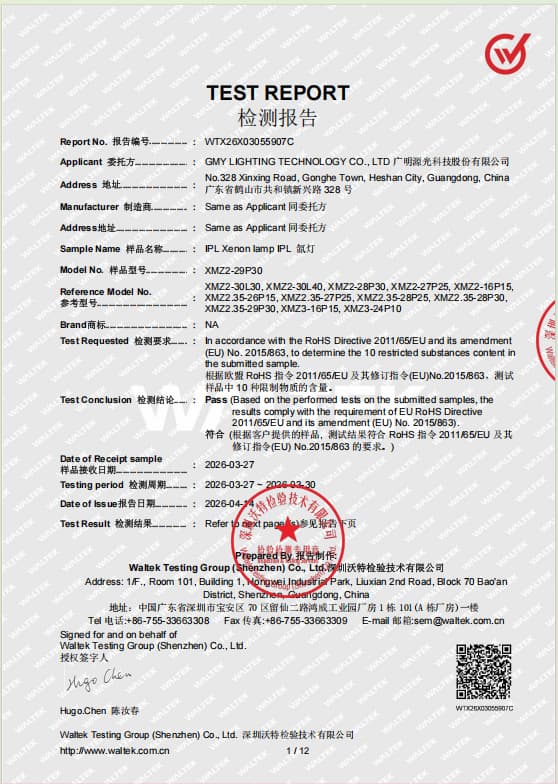
Green hardware architecture free from lead, mercury, and restricted hazardous heavy elements.
Meets stringent North American electrical insulation, grounding, and operational safety criteria.
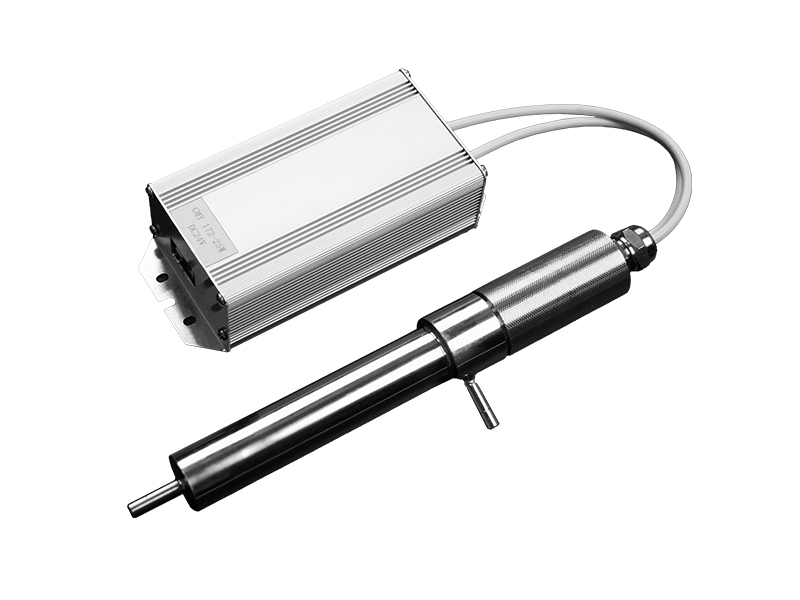
Engineered for ultrapure water (UPW) systems, this eco-friendly, mercury-free 172nm VUV module triggers powerful radical oxidation to reduce TOC down to ppb levels. By converting organic compounds into trace CO₂ and H₂O, it delivers an ideal water-purification solution for semiconductors, pharmaceuticals, and laboratories. Its smart modular design simplifies onsite maintenance and system scaling, with custom power levels and flow rates fully supported.
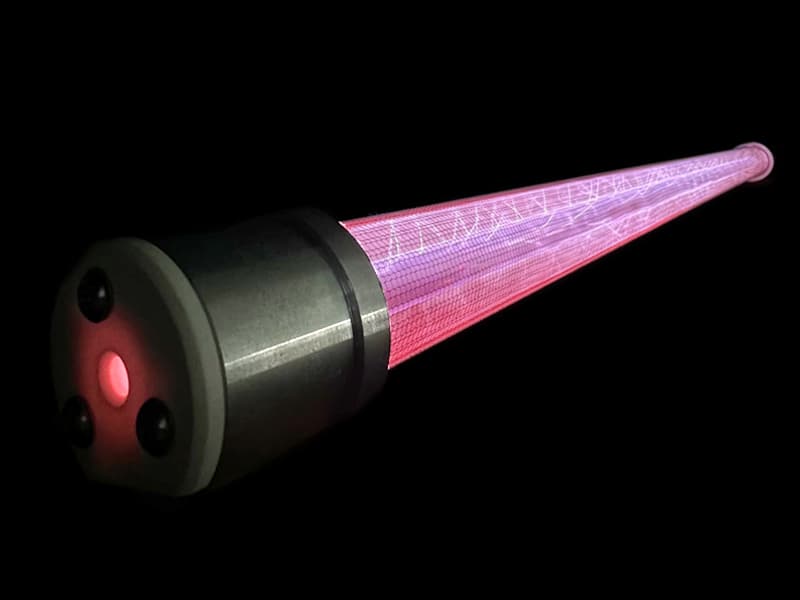
Enhance your surface treatment precision with GMY’s 172nm Excimer Lamps. Utilizing advanced photochemical oxidation, our mercury-free 172nm UV light solutions effectively break down organic contaminants to achieve atomic-level cleanliness on semiconductor wafers, display substrates, and optical devices.
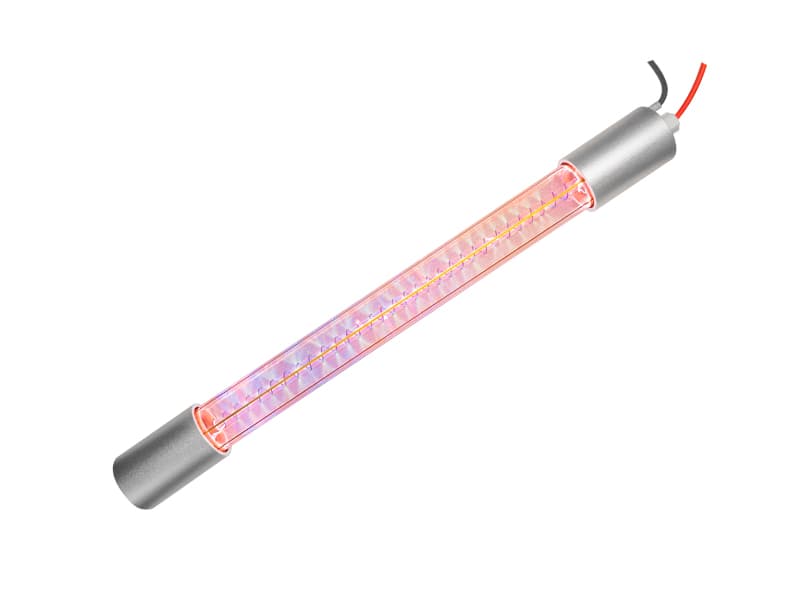
Discover GMY's high-efficiency 172nm excimer lamps for industrial photocuring. Mercury-free, powerful 350W-1000W VUV light for rapid surface crosslinking, matte finishing, and PPF/PCB coating modification. Compared to traditional UV curing, it shortens curing time and enhances surface modification effects.
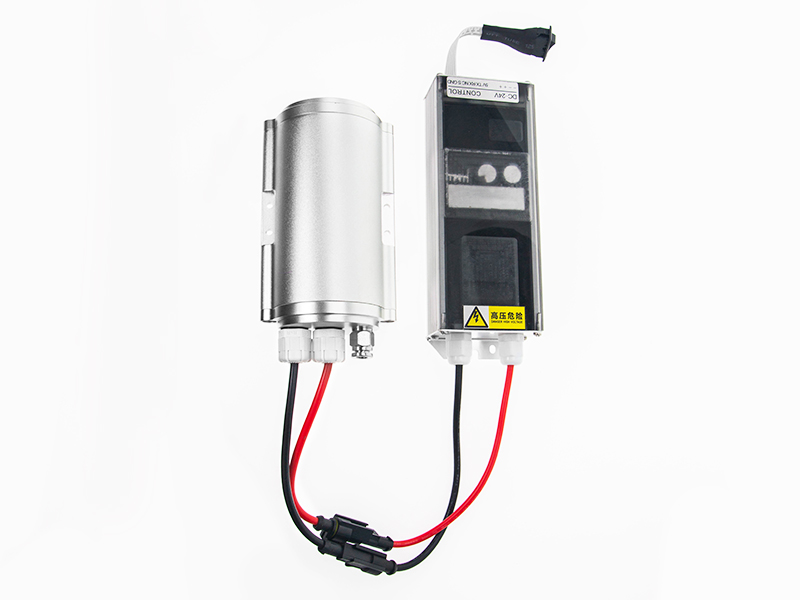
The GMY 172nm Photomodification Module serves as the premier vacuum-compatible solution for activating the hydrophilicity of dental implants. Through precise 172nm excimer technology, the module purifies titanium surfaces by breaking down organic hydrocarbons, which drastically enhances TiO2 bioactivity and osseointegration. Designed for seamless device integration, this module stands out with its high power output, minimal thermal impact, rapid reaction cycle, and extensive, homogeneous beam coverage.
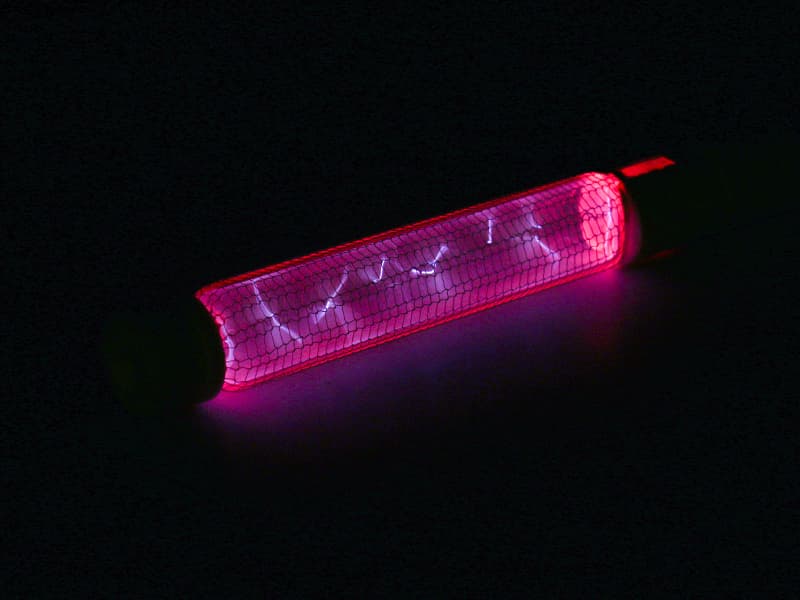
GMY 172nm excimer lamps offer high-energy VUV radiation to degrade TOC to ppb levels in ultrapure water. Mercury-free 15W/20W lamps for industrial water treatment. By generating free radicals, our UV light systems oxidize organic matter into CO₂ and H₂O molecules. This advanced technology is particularly suitable for ultra-pure water production.
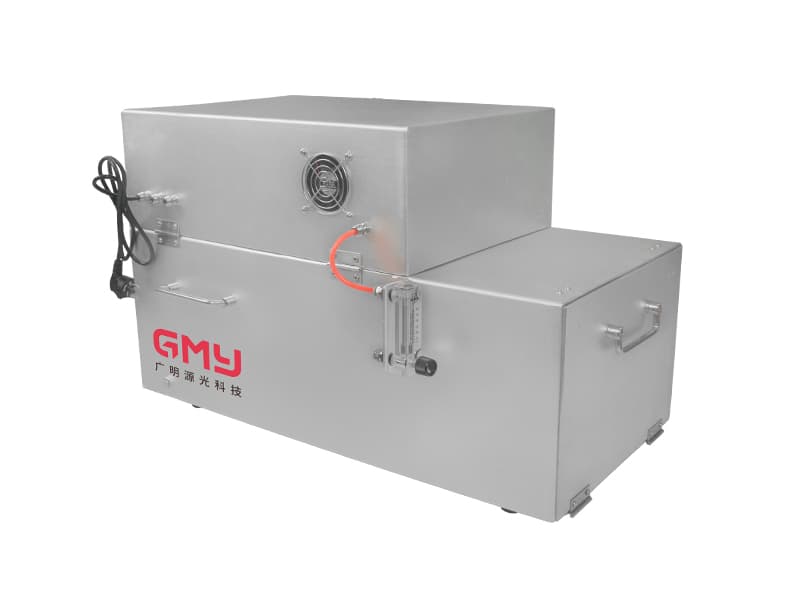
The 172nm Excimer UV Device delivers high-energy photo-cleaning and nano-level surface modification for semiconductors, batteries, and advanced materials. Utilizing cold 172nm UV photons, this compact system breaks organic chemical bonds and oxidizes contaminants without substrate damage. With a high uniformity of ±15% and operating temperatures under 40°C, it provides an eco-friendly, low-consumption alternative to traditional low-pressure mercury lamps.